


Some Ship Disasters And Their Causes
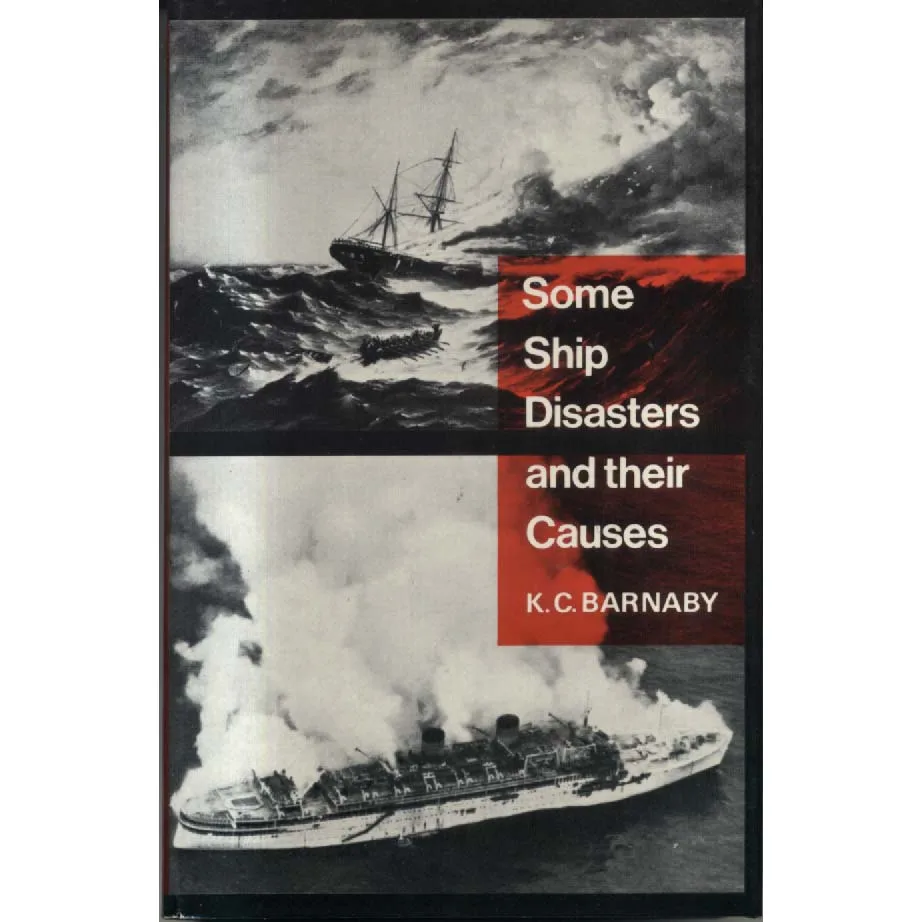
Publisher: Hutchinson and Co
Format: Hardback
ISBN: none
Some Ship Disasters and their Causes (1970) by K. C. Barnaby
Hutchinson & Co. | ISBN: none
Condition: Very Good
As sold by Crappy Old Books
There are two ways to enjoy the sea. One is to stand on a sunny pier with an ice cream, watching boats bob about like happy toys. The other is to read Some Ship Disasters and their Causes and quietly realise that the ocean is a vast, indifferent machine for turning human confidence into statistics.
K. C. Barnaby has written the kind of book that sounds modest and polite, and then proceeds to deliver a steady parade of calamity with the measured tone of someone who has seen enough maritime mishaps to know that drama is optional when the facts are already doing the shouting. The title is almost charmingly restrained: some disasters. Their causes. As if we’re discussing slightly disappointing puddings, rather than the terrifying moment when a ship stops being a ship and starts being a problem.
This is not “stormy romance on the high seas.” This is the why behind the wreckage: the chain of errors, design flaws, misjudgements, overlooked warnings, bad luck, worse decisions, and that timeless human habit of assuming things will be fine because they’ve always been fine before. It’s the kind of reading that makes you respect checklists, engineers, and anyone who says “let’s not push it” with a straight face.
Barnaby’s approach is satisfying in a grimly educational way. Each disaster becomes a case study: what happened, what went wrong, and what can be learned (often the lesson being: do not tempt physics). You start spotting patterns — the small compromises that lead to big outcomes, the way systems fail when several “minor” things align, the role of weather as the ultimate uninvited guest, and the sheer unforgiving reality that water doesn’t negotiate.
And the irony, of course, is that ships are marvels: floating cities of steel and ambition, engineered to survive conditions that would flatten most things on land. Yet time and again, they’re undone by the same suspects: complacency, miscommunication, overconfidence, and the awkward truth that the sea always gets a vote.
It’s also a lovely example of that 1970 era of factual writing: calm, authoritative, and written for readers who are assumed to have an attention span and a taste for detail. No sensationalism required. No melodrama. Just a steady, practical examination of how disasters occur — which is oddly comforting, in a way. If you can understand causes, you can imagine prevention. (Or at least you can stop saying “it’ll be fine” so often.)
This copy is Very Good, which feels fitting for a book about things going very badly indeed. Clean, well-kept, and ready for another reader to sit safely on dry land and enjoy the intense satisfaction of learning from other people’s maritime misfortune.
Perfect for:
-
nautical history fans and ship nerds
-
engineers, safety people, and anyone who loves a proper post-mortem analysis
-
readers who enjoy their non-fiction with salt spray, hard lessons, and a faint sense of doom
From Crappy Old Books: because sometimes the best sea stories aren’t about daring adventures — they’re about what happens when daring meets reality, and reality quietly wins.
Keep browsing: See more Transport books Other books by KC Barnaby
